Passionfruit Juice Yield Enzyme for Higher Recovery and Cleaner Separation
Passionfruit is high-value raw material, but its pulp can be hard to run cleanly. High pectin load, seed abrasion, variable mash behavior, and suspended solids can limit press output, slow clarification, and increase filtration pressure.
Enzymeforjuice supplies enzyme treatment systems for plants that need more recoverable juice from passionfruit pulp without adding complexity to the line. As an enzyme supplier for fruit juice processing, we focus on measurable plant outcomes: lower mash viscosity, better free-run separation, improved press yield, faster clarification, and more predictable batch performance.
Built for Passionfruit Pulp Recovery
Passionfruit processing rewards precision. The fruit carries premium value, but the pulp matrix can trap juice inside viscous material and fine solids. A targeted enzyme step helps open that matrix before pressing or decanting.
Enzymeforjuice enzyme programs are selected for:
- Reduced pulp viscosity before mechanical separation
- Improved juice release from fibrous and pectin-rich pulp
- Lower solids carryover into downstream clarification
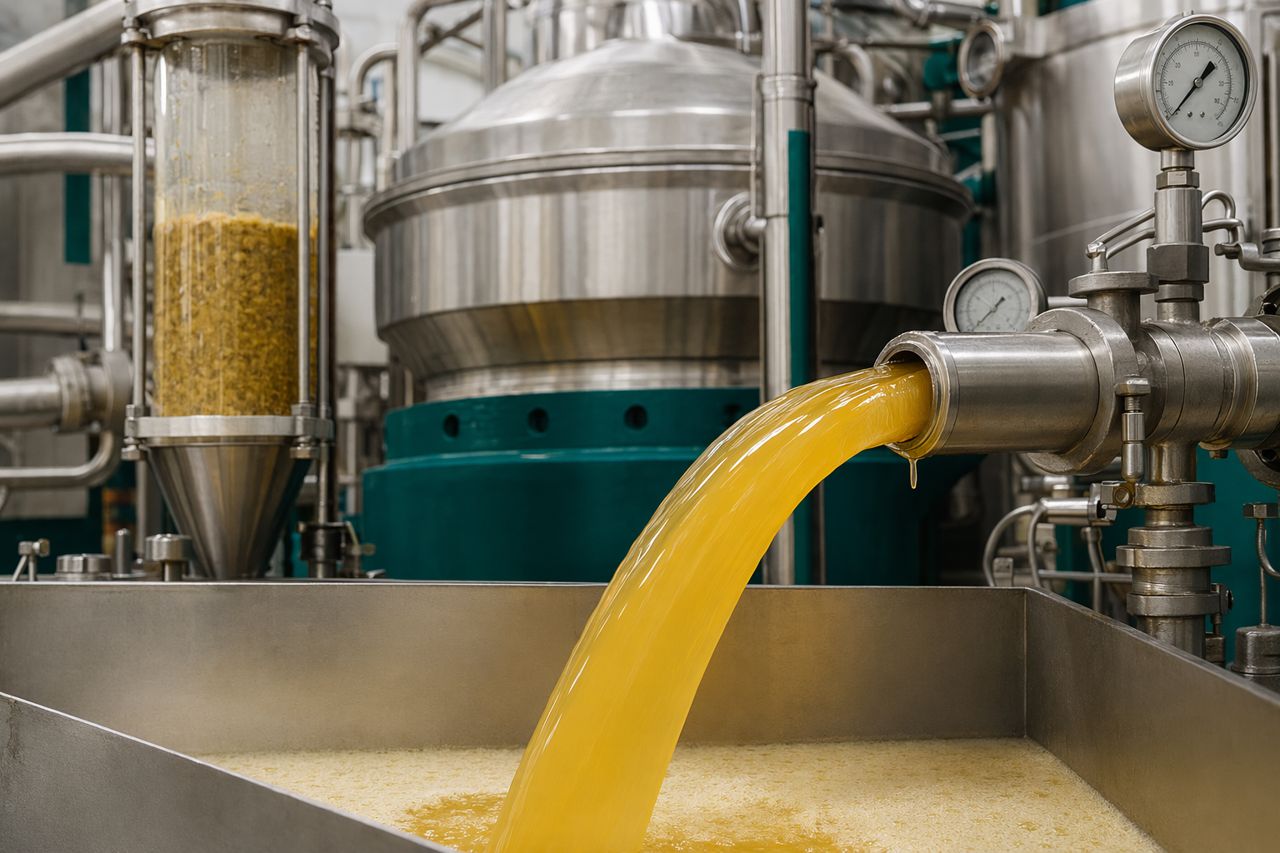
- Faster settling, centrifuge response, or flotation behavior depending on plant design
- Reduced filtration load and longer filter operating windows
- More consistent batch-to-batch processing when fruit maturity shifts
Where the Enzyme Fits in Your Line
A passionfruit yield enzyme is typically applied where controlled contact can deliver the most recovery benefit before major separation.
Common application points
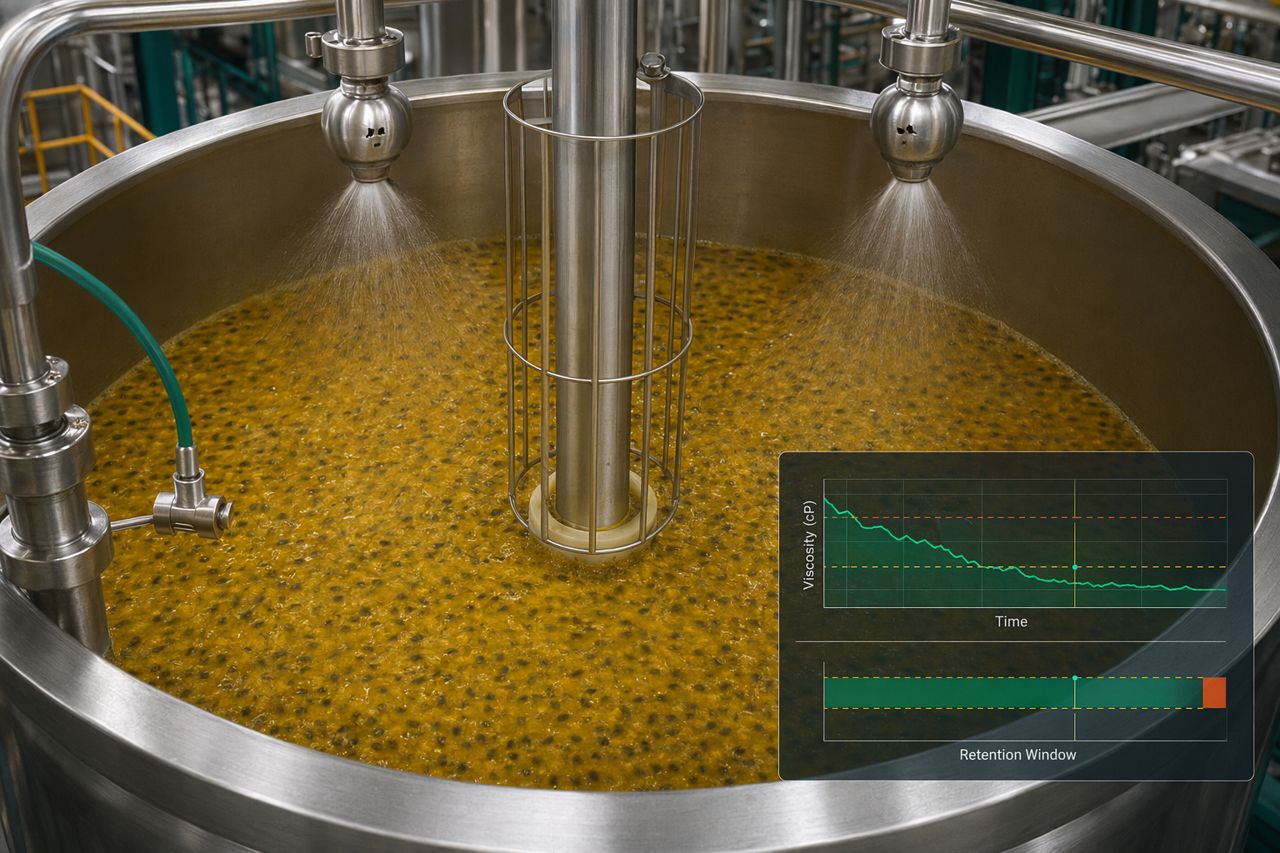
- Fruit pulp holding tank before pressing
- Mash conditioning vessel before decanter feed
- Pre-clarification step after seed removal
- Controlled recirculation loop where mixing and retention are already available
Enzymeforjuice does not sell a one-line claim and leave the plant to guess. We help align enzyme selection with your mash temperature, contact time, pH window, line layout, and target product specification.
What Plant Managers Can Expect to Validate
Every passionfruit line is different, especially when fruit origin, maturity, seasonal pectin variation, and pulp handling change. The right enzyme program should be validated against your operating targets.
During a plant trial, teams typically track:
- Press or decanter recovery compared with untreated baseline
- Mash pumpability and transfer stability
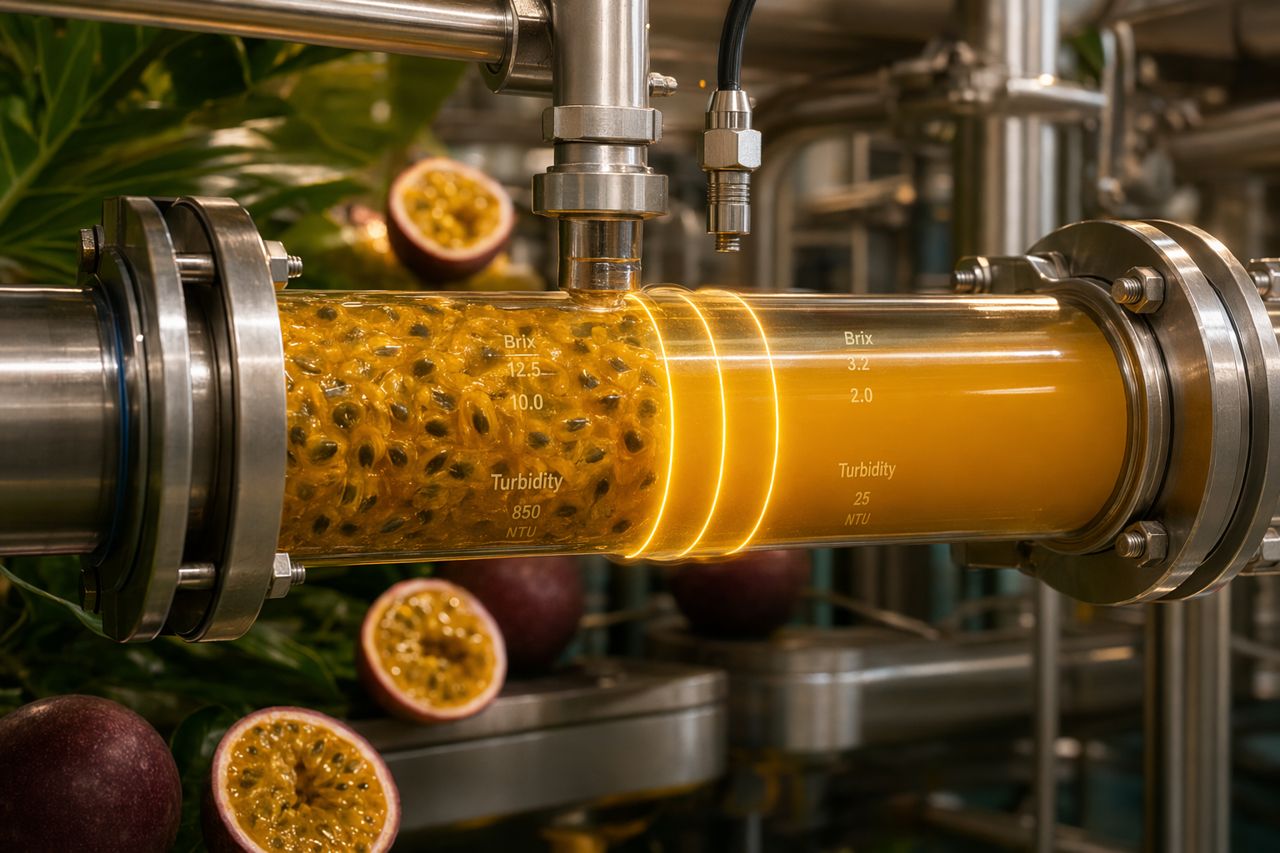
- Clarification time and turbidity trend
- Filter differential pressure behavior
- Juice loss in pomace or separated solids
- Batch cycle time from pulp conditioning to clarified juice
- Consistency across incoming fruit lots
The objective is not enzyme use for its own sake. The objective is improved recovery and separation with a process window your operators can repeat.
Designed to Reduce Downstream Load
Poor mash breakdown does not stay in one tank. It shows up as slower press cycles, cloudy juice, higher centrifuge load, frequent filter changeouts, and production interruptions.
A properly tuned passionfruit enzyme treatment can help reduce the burden downstream by breaking down pectin-driven viscosity and improving liquid-solid separation before the line reaches its bottleneck.
This can support:
- Higher usable juice output from the same fruit intake
- Smoother flow into separators and filters
- Less rework caused by slow clarification
- More stable planning for high-value puree and juice runs
- Reduced downtime linked to pulp fouling and filter loading
Practical Supply for Industrial Juice Plants
Enzymeforjuice works with industrial tropical fruit juice plants that need practical enzyme supply, not generic catalog language. We support process teams with application guidance, trial planning, and product selection based on the realities of passionfruit pulp.
Our approach is exacting:
- Define the current processing constraint: yield, viscosity, clarification speed, filtration load, or batch inconsistency.
- Review where enzyme contact can be controlled without disrupting the line.
- Select a treatment profile suited to passionfruit pulp behavior.
- Run a structured comparison against the plant baseline.
- Scale only when recovery, separation, and operating stability justify it.
Request a Quote for Passionfruit Juice Yield Enzyme
If your plant is processing passionfruit pulp and wants better recovery, cleaner separation, or reduced filtration load, Enzymeforjuice can help specify an enzyme treatment for validation.
Use the on-site form to request a quote. Include your fruit form, current processing step, target improvement, and any known bottleneck such as press yield, clarification time, or filter loading.