Guava Juice Clarification Enzyme for Pectin-Rich Tropical Fruit Processing
Enzymeforjuice supplies enzyme solutions for tropical fruit juice plants that need tighter control over guava pulp handling, clarification, and downstream filtration. If your line is fighting high mash viscosity, slow separation, overloaded filters, or inconsistent batch clarity, enzyme-assisted clarification can move guava processing from a reactive bottleneck to a controlled production step.
As an enzyme supplier for fruit juice processing, Enzymeforjuice works with plant teams to match enzyme selection and trial design to real operating conditions: fruit maturity, pulp ratio, temperature window, retention time, target turbidity, decanter behavior, filtration load, and blend requirements.
Why Guava Clarification Needs a Specific Enzyme Approach
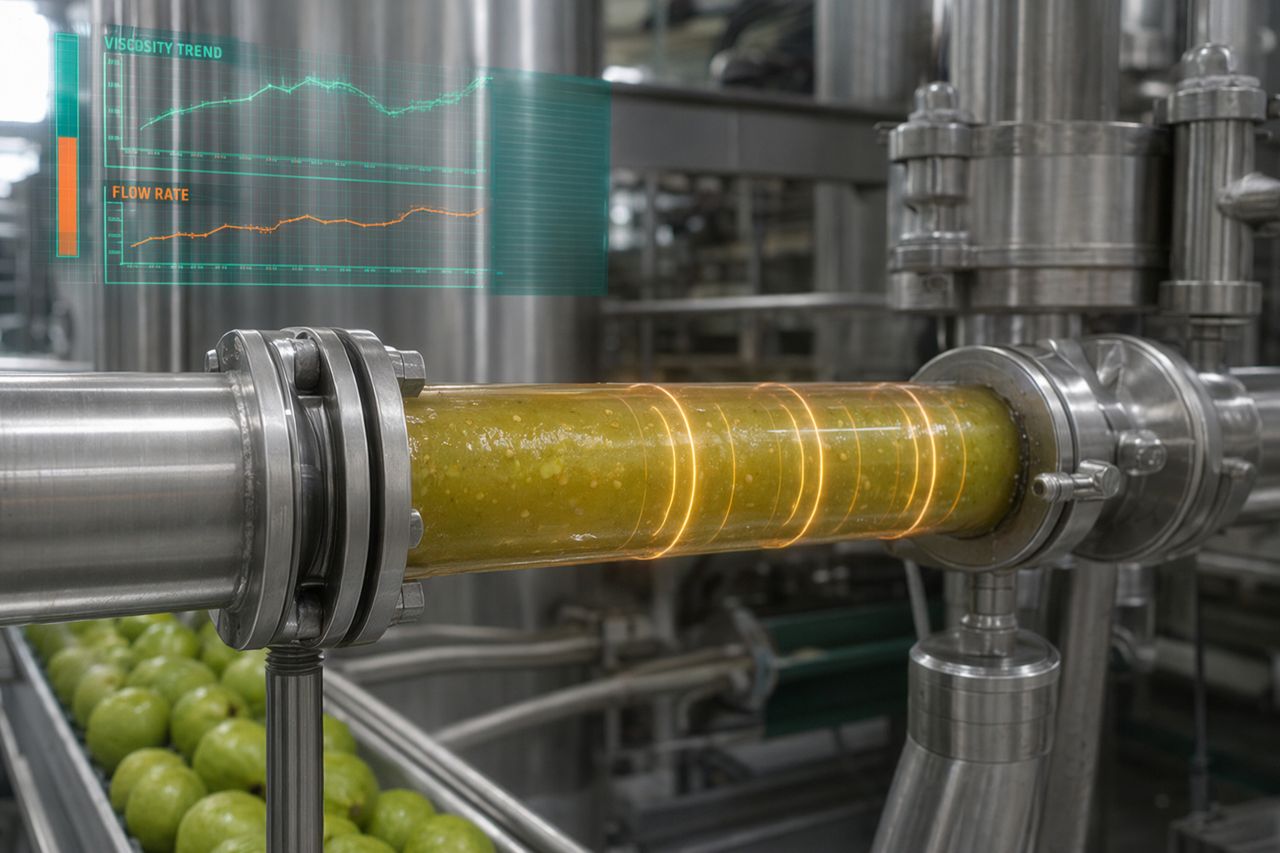
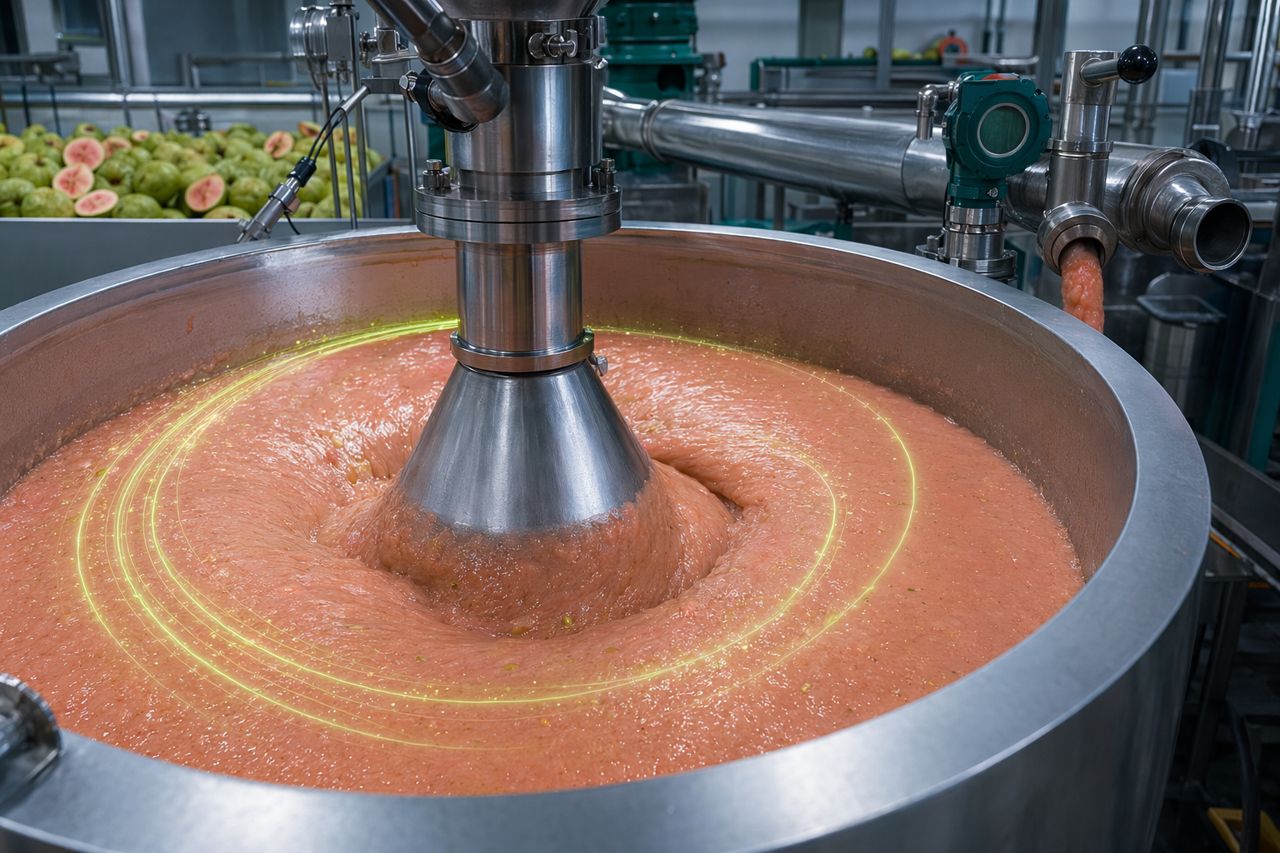
Guava pulp is naturally challenging. Its pectin-rich structure can hold water, trap juice, suspend fine solids, and increase resistance through pumps, screens, decanters, and filters. When untreated or under-treated, guava mash may create:
- High viscosity before separation
- Slow settling or unstable decanter performance
- Increased filter fouling and short filtration runs
- Variable turbidity from batch to batch
- Lower juice release from pulp solids
- More rework before blending or final standardization
- Downtime linked to cleaning, blocked screens, and filter changes
A well-selected clarification enzyme helps break down pectin structure in the mash so juice separates more cleanly from suspended solids. The goal is not to over-process the fruit. The goal is to give the plant a cleaner, more predictable separation path before decanting, filtration, concentration, or blending.
What the Enzyme Step Is Designed to Improve
For guava juice operations, Enzymeforjuice focuses on practical production outcomes:
Lower Mash Viscosity
Reducing pectin-related thickness can improve pumpability, mixing consistency, and transfer behavior. Lower viscosity also supports more even enzyme contact during the holding stage.
Better Juice Release
Enzyme action can help free liquid held inside pulp structure, improving recoverable juice and reducing valuable liquid lost with press cake or separated solids.
Faster Clarification Before Filtration
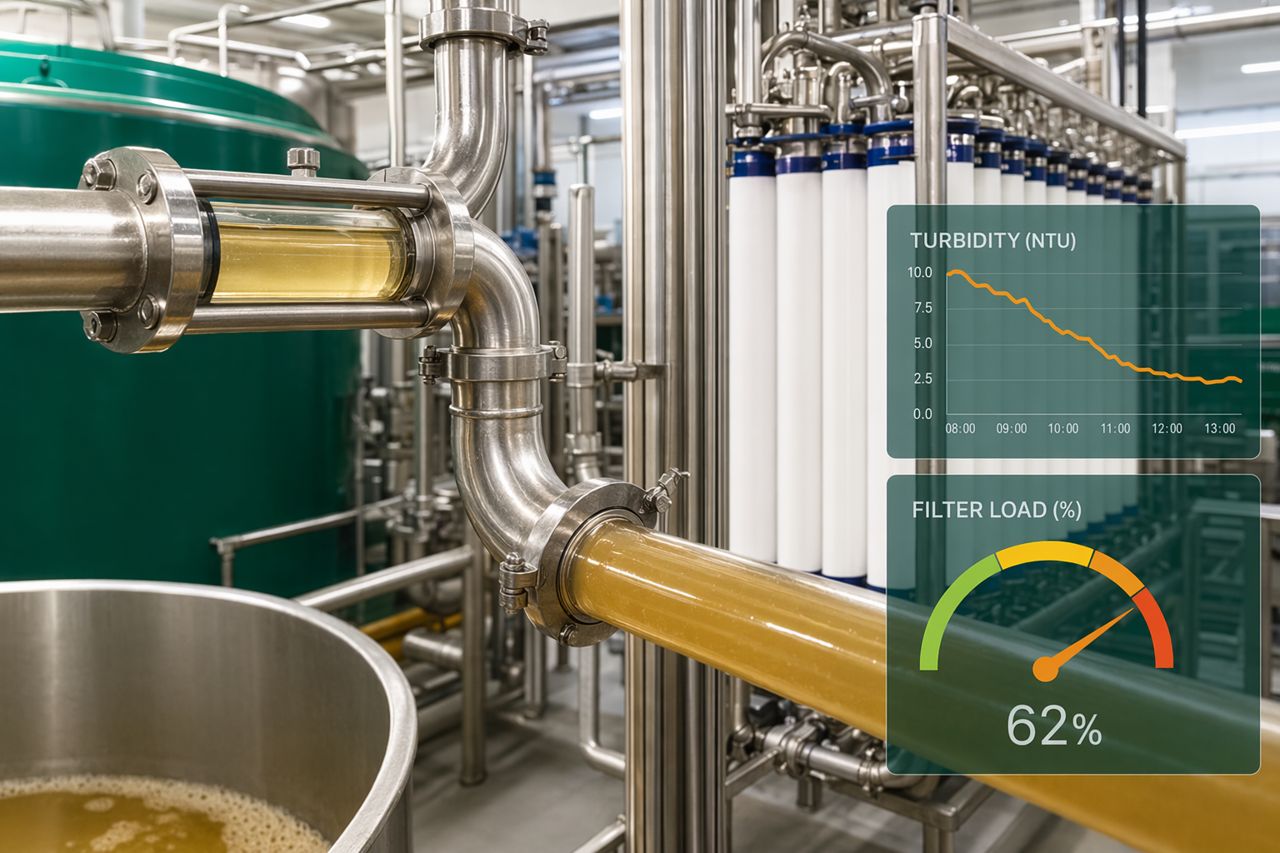
When suspended material separates more predictably, filtration can become less of a choke point. Plants may see steadier filter loading, longer filtration runs, and fewer interruptions for cleaning or media changeout.
More Consistent Turbidity Control
Guava batches can vary sharply by variety, ripeness, puree source, and seasonal pectin behavior. A controlled enzyme step gives operators another lever for managing visual clarity and downstream stability.
Reduced Downstream Load
A better-conditioned mash can reduce stress on decanters, screens, centrifuges, membrane systems, and polishing filters. This matters where guava is used in nectars, blends, puree-to-juice lines, and multi-fruit tropical products.
Where It Fits in a Guava Juice Line
Enzymeforjuice guava clarification enzymes are typically evaluated around the mash preparation and holding stage, before the main separation step. The exact location depends on your plant layout and product target.
Common integration points include:
-
After pulping or puree dilution
Enzyme is introduced once the guava material is pumpable and evenly mixed. -
During controlled mash holding
The process allows time for enzyme contact under plant-defined temperature and pH conditions. -
Before decanting, pressing, centrifugation, or filtration
Treated mash enters separation with reduced pectin-related resistance. -
Before blending or final clarification
A cleaner intermediate stream helps standardize tropical blends and reduce correction work.
Built for Plant Trials, Not Generic Recommendations
Guava processing varies widely. Fresh fruit, puree, aseptic pulp, concentrate feed, nectar base, and blended tropical formulations can each respond differently. Enzymeforjuice does not treat clarification as a one-setting decision.
A practical trial may compare:
- Untreated control versus enzyme-treated mash
- Different dose levels within your operating limits
- Current retention time versus adjusted holding time
- Existing temperature window versus an optimized window
- Separation performance before and after enzyme contact
- Turbidity trend after decanting or filtration
- Filter pressure behavior and run length
- Yield from press or decanter solids
- Batch repeatability across fruit lots
The result is a plant-specific recommendation built around your equipment, production schedule, and quality target.
Operational Value for Tropical Fruit Juice Plants
Enzymeforjuice guava clarification enzyme solutions are suited for plants that need to improve flow and separation without adding unnecessary complexity. The value is measured in line behavior, not lab language.
Potential production benefits include:
- More predictable mash handling
- Improved throughput through separation and filtration
- Reduced filter fouling and cleaning frequency
- Better press or decanter yield
- Faster clarification before blending
- More consistent batch appearance
- Lower risk of production delays caused by viscous pulp
- Easier scale-up from trial to plant operation
Applications
Enzymeforjuice supports guava clarification enzyme requirements for:
- Guava juice processing
- Guava nectar base preparation
- Guava puree-to-juice conversion
- Tropical fruit juice blends
- Pectin-rich pulp clarification
- Decanter and centrifuge feed conditioning
- Pre-filtration viscosity reduction
- Cloud and turbidity management before blending
What Enzymeforjuice Needs to Recommend the Right Starting Point
To prepare a quote and trial recommendation, share the details your operators already track:
- Feed type: fresh guava, puree, pulp, concentrate, or blend base
- Current process flow from pulping to final filtration
- Target product: clarified juice, nectar base, blend component, or intermediate stream
- Main bottleneck: viscosity, yield, turbidity, decanter load, filtration pressure, or downtime
- Holding tank setup and available contact time
- Operating temperature and pH range
- Separation equipment type
- Current cleaning or filter change frequency
- Desired production outcome
With this information, Enzymeforjuice can recommend an enzyme option and a practical trial path for your plant team.
Why Buy from Enzymeforjuice
Enzymeforjuice is built for industrial fruit processors that need supplier conversations grounded in production reality. We focus on enzyme selection, process fit, and measurable plant outcomes.
You can expect:
- Clear guidance for plant-scale validation
- Recommendations matched to guava pulp behavior
- Support for trial planning and comparison points
- Practical attention to throughput, yield, turbidity, and filtration load
- Supply discussions aligned with production schedules and purchasing requirements
Request a Quote
If guava pulp is slowing clarification, raising filtration load, or creating batch inconsistency, Enzymeforjuice can help you evaluate an enzyme-assisted approach.
Request a quote using the on-site contact form and include your feed type, process stage, current bottleneck, and target outcome. We will review your conditions and respond with a recommended starting point for plant validation.